Choosing where to have surgery abroad is not a price comparison. It is a risk-management decision with a price attached. This guide sets out what the main destinations actually cost in 2026, what each one is genuinely good at, and the five questions that decide whether the trip goes well.
What the main destinations cost in 2026
| Destination | Primary rhinoplasty | Single implant + crown | Ceramic veneer |
|---|---|---|---|
| Armenia (Yerevan) | $1,100–$2,690 | $535–$1,165 | ≈ $300 |
| Turkey | $3,500–$7,500 | — | — |
| Hungary | — | avg $1,873 (range $485–$6,921) | — |
| Italy | ≈ €3,093 average | €1,200–€3,500 | — |
| Spain | €4,800–€15,000 | — | €400–€800 |
What each destination is actually good at
Turkey built the modern medical-tourism package: hotel, transfer, translator, high volume, heavy marketing. That volume is both the strength and the risk — outcomes vary enormously between the surgeon you researched and the surgeon you are assigned on arrival. If you go, insist on a named surgeon in writing.
Hungary is the established European dental destination, with decades of cross-border patients from Austria and Germany. Strong for complex dental work, well regulated, easy to reach from the EU. Less compelling for plastic surgery.
Italy and Spain are where many of our patients are travelling from. Quality is high and legal recourse is straightforward; the issue is price, and for dental work, waiting times in the public system.
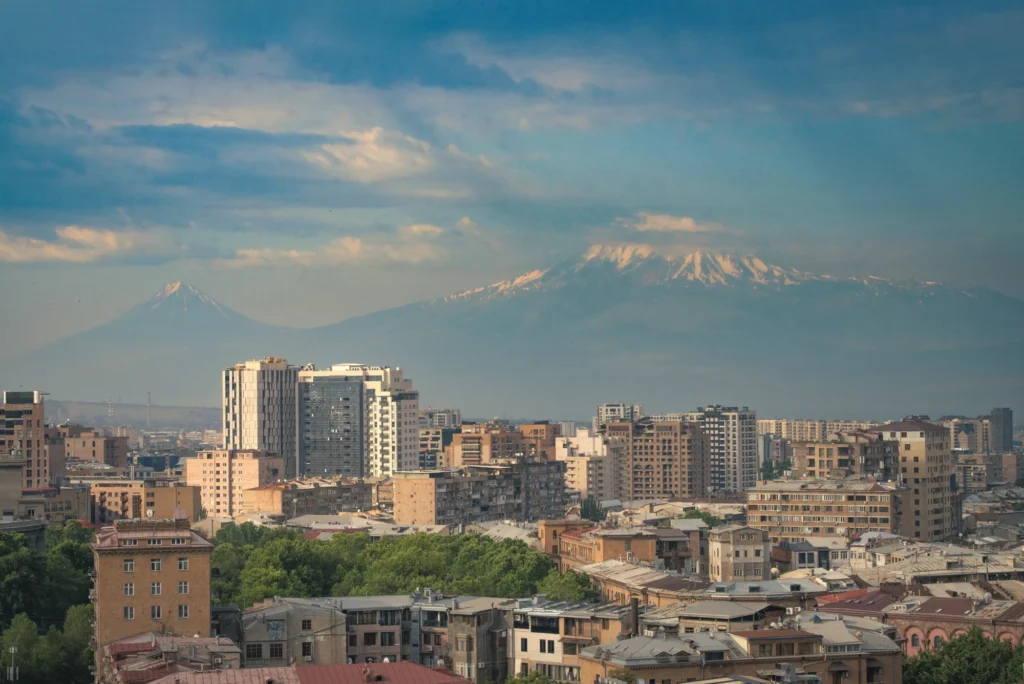
Armenia sits in a specific niche: European-trained surgeons, prices below Turkey for facial surgery, no language barrier for Russian speakers, and visa-free entry for citizens of Russia, Kazakhstan, Belarus and Ukraine — Russian citizens can enter on an internal passport and stay up to 180 days. It is small, which means less marketing noise and less anonymity: you deal with the same coordinator from the first call to the last follow-up.
Want a number for your own case? The cost calculator gives you a full range — procedure, package and nights — in about 30 seconds, in euros, dollars or roubles.
The five questions that actually decide the outcome
1. Who is operating, by name?
Not the clinic. The surgeon. Ask for the name, the specialty board, the years in practice and the number of times they have done your specific procedure. If a coordinator will not put a name in the quote before you pay, that is the answer.
2. What is inside the quoted price?
A quote that covers only theatre time is not a price. It should name: surgeon fee, anaesthesia and anaesthetist, pre-operative bloodwork and imaging, the inpatient night or nights, consumables and splints, dressing changes, suture removal and follow-up visits. Then ask what happens to the price if a revision is needed.
3. How long before you can fly home?
The American Society of Plastic Surgeons advises waiting roughly 5–7 days after body procedures and 7–10 days after facial procedures before flying, because of swelling and clot risk at altitude. Any itinerary that puts you on a plane on day three is optimising for the clinic’s schedule, not your recovery. Budget the nights properly — they are part of the real cost.
4. Who looks after you once you are home?
This is the single biggest gap in medical tourism. Complications, when they happen, happen after you land. Before booking, establish who you message at 10pm on day twelve, in what language, and what it costs. A structured online follow-up schedule is worth more than a discount.
5. Can you get your money there, and back?
Payment logistics kill more trips than medicine does. Confirm the accepted payment methods, the currency the contract is written in, whether the figure is locked against exchange-rate movement, and the refund terms if you are declined at the pre-operative assessment.
Red flags worth walking away from
- Before-and-after galleries with no consent statement, or images that appear on several unrelated clinic sites.
- A quote that arrives without a video or in-person consultation with the person who will operate.
- Pressure to pay a deposit within 24 hours to hold a “discounted” slot.
- No written answer to the revision question.
- Reviews that all appear within the same short window and read alike.
Two worked budgets
Rhinoplasty in Yerevan, mid-range
Surgery, anaesthesia, tests and one inpatient night: about $1,800. Ten nights in a hotel near the clinic: about $700. Return flights from a European hub: $250–$500. Transfers, coordinator and dressing changes: included in the package. Total roughly $2,750–$3,000 — close to what the surgery alone costs in Italy, and below the lower end of the Turkish range for the procedure by itself.
Eight E-max veneers
Veneers: about $2,400. Seven nights: about $500. Flights: $250–$500. Total roughly $3,150–$3,400, against €3,200–€6,400 for the veneers alone at Spanish prices. Expect either one longer visit or two shorter ones: preparation and impressions, then fitting.
Where Armenia is not the answer
We would rather say this than have you find out later. A single dental implant is not worth a flight if you are coming from Moscow — the ranges overlap. Very complex revision surgery may be better handled where you can attend repeat appointments easily. And if you need a procedure that requires long-term device monitoring, staying home is usually the right call. We will tell you when that is the case.
FAQ
Do I need a visa for Armenia?
Citizens of Russia, Kazakhstan, Belarus and Ukraine enter visa-free; Russian citizens may use an internal passport and stay up to 180 days. EU citizens do not need a visa for short stays. Always check your own country’s current rules before booking flights.
What language will the consultation be in?
Russian and Armenian throughout, and English with your coordinator. If you need Italian or Spanish, tell us when you enquire so we can confirm availability before you commit to dates.
Is the price in the calculator final?
No — it is a range. The binding quote is issued after the video consultation and your test results, and it is fixed from that point.
What if I need a revision?
Revision terms are agreed with the clinic in writing before surgery, not after. We will not book a case where the clinic refuses to put those terms in the contract.
See also
This article is general information, not medical advice, and not a binding offer. All procedures carry contraindications and risks; a qualified specialist must assess your case individually.